Is 7-OH Really “13 times stronger than morphine”?
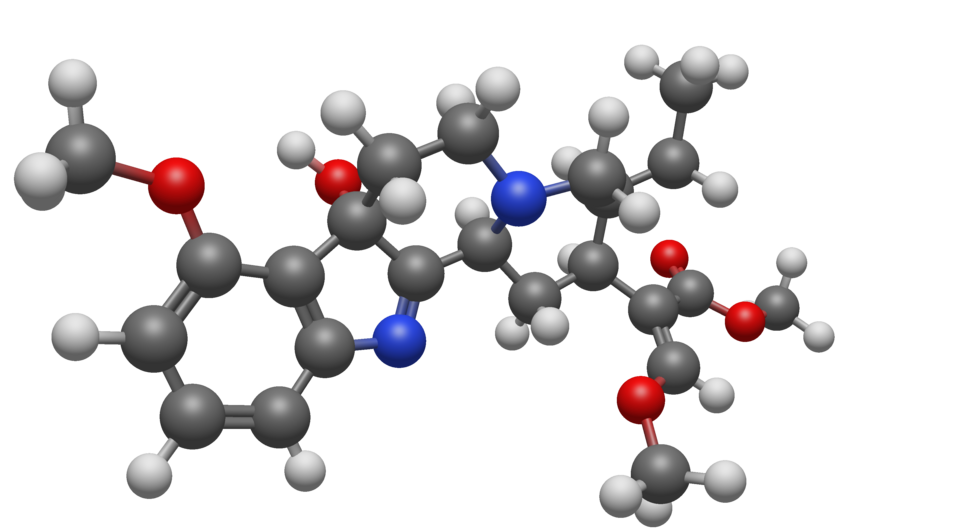
Is 7-OH Really “13 times stronger than morphine”? Leave a Comment / General , News , Research / By kratomjournalist Multiple news media and even medical professionals have repeated the claim that 7-hydroxymitragynine (7-OH) is “13 times stronger than morphine”
Is 7-OH Really “13 times stronger than morphine”? Leave a Comment / General , News , Research / By kratomjournalist Multiple news media and even medical professionals have repeated the claim that 7-hydroxymitragynine (7-OH) is “13 times stronger than morphine” as though it is a fact established through rigorous science. Where does this claim come from and how accurate is it? The claim comes from studies from 2002 ( Takayama, et al ) and 2004 ( Matsumoto, et al ) in which guinea pig ileum (a segment of the small intestine) is tested with electrical stimulation. Guinea pig ileum is used in pharmacological experimentation for opioids because it is rich in mu- and kappa-opioid receptors. The inhibition of smooth muscle contraction as a response to pain (in this case, an electrical shock) also occurs in humans as an effect of opioids. In the Takayama and Matsumoto studies, researchers observed that muscle contractions were 13 times more inhibited in the guinea pig ileum that had been administered 7-OH than in the ileum that had been administered morphine. However, scientists never assume that animal or animal-tissue models directly translate to effects in living humans. In fact, different tests have produced very different results. In a 2016 study ( Kruegel, et al ), while 7-OH showed a consistent agonism at mu-opioid receptors (MOR), mitragynine showed agonism or antagonism at MOR depending on the species (mouse or rat). The researchers therefore concluded that “this interspecies variation may present significant challenges in the development of compounds in this class as novel therapeutics, as activity in rodent models may not be easily translatable to humans.” In another Matsumoto study in 2006 , living mice were given 7-OH and morphine subcutaneously (directly under the skin). This time, 7-OH “produced antinociceptive effects about 5.7 and 4.4 times more potent than those of morphine in the tail-flick (ED50=0.80 mg/kg) and hot-plate (ED50=0.93 mg/kg) tests, respectively.” In a recent study measuring respiratory depression in rats (Zuarath Gonzales et al, 2025 ) “The potency of 7-HMG to decrease minute volume by 50% was 4.5-fold greater than that of morphine.” Yet a 2020 study in rats ( Behnoon-Rod, et al ) concluded “These initial findings indicate that mitragynine and 7-hydroxymitragynine are not rewarding in the ICSS procedure. The present results suggest that these kratom alkaloids do not have abuse potential.” From Wikipedia , “Intracranial self-stimulation (ICSS) is an operant conditioning procedure used to study brain stimulation reward (BSR). Subjects with permanently implanted electrodes in specific brain regions are trained to perform actions, such as lever pressing, to receive direct electrical stimulation, which serves as a reward. This method is crucial for studying addiction, rewarding behaviors, and the impact of pharmacological manipulations on reward sensitivity. “ It is also worth mentioning that other studies have shown 7-OH to be a partial opioid agonist that does not signal at the beta-arrestin pathway, the pathway thought to cause respiratory depression. This contradicts animal and animal tissue models showing that 7-OH does cause respiratory depression and that
Related
- Kratom legal status map
- Latest news & updates
- KratomBans API — checkout validation & compliance for merchants
Get email alerts when kratom laws change in your area.
Email AlertsMerchants: Add legal status to your store →
KRATOMBANSAffiliate relationships do not influence legislative reporting.